Cut-and-Come-Again Salad: What to Actually Expect
Why this is a genuinely good first crop
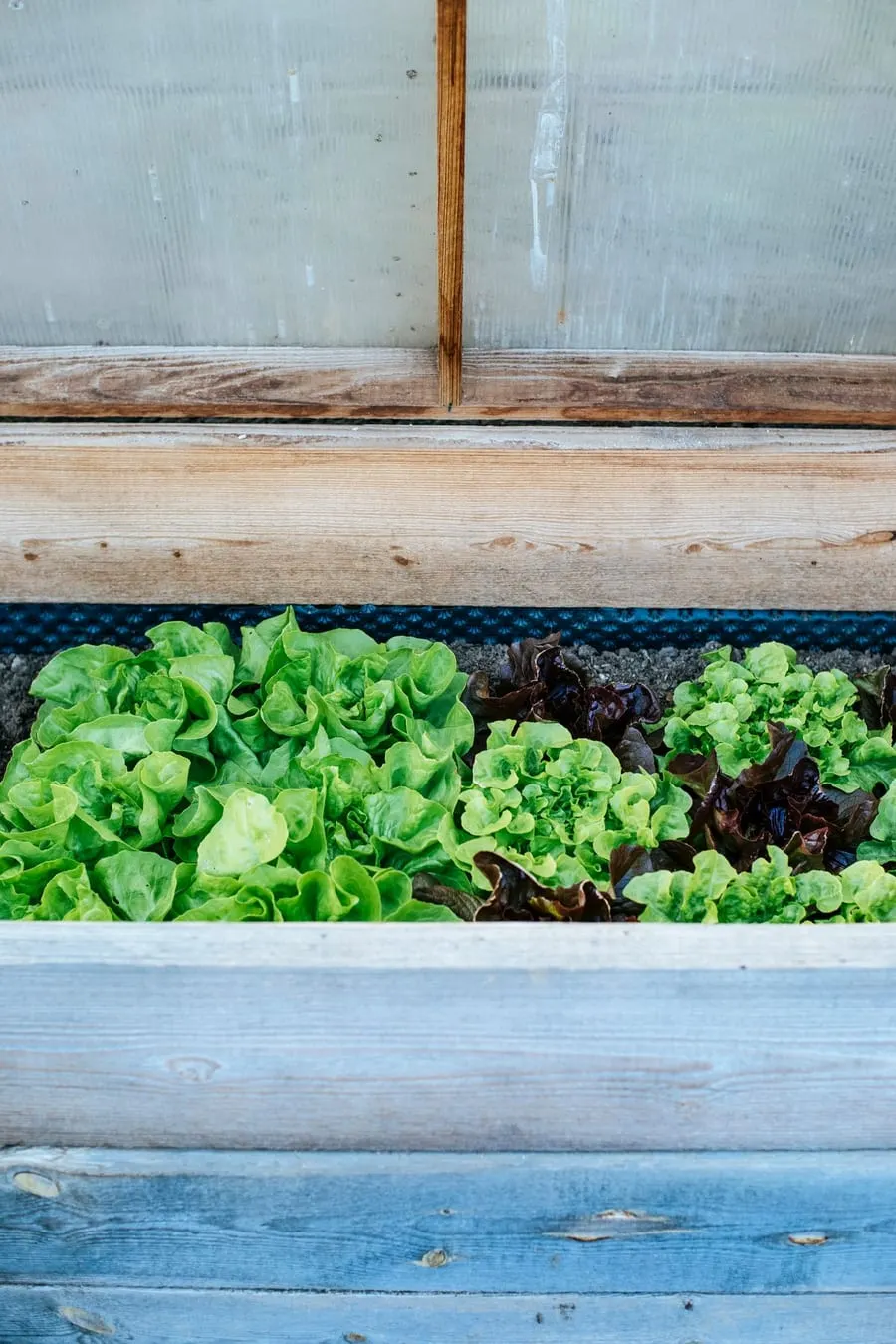
Cut-and-come-again salad mixes (loose-leaf lettuce, rocket, mustard, mizuna, and similar fast leafy greens sown together) are one of the most commonly recommended beginner crops. I’ve grown them for years and the reputation is largely deserved: fast to germinate, tolerant of a range of light conditions, and productive from a small container. Rather than growing one head of lettuce you harvest once, you cut individual leaves and the plant regrows for further cuts.
The part that usually gets left out
Regrowth slows with each cut. The first harvest, typically 3–4 weeks after sowing, tends to be the most vigorous. Each subsequent cut generally regrows a little slower and a little less densely than the last, as the plant’s energy reserves get used up faster than they’re replenished. This isn’t a sign anything’s wrong — it’s the normal pattern. But it’s rarely mentioned, which leads to people assuming a slowing box has failed rather than simply reaching the end of its productive cycle.
A realistic cycle is roughly 3–5 cuts before a sowing is spent and worth replacing, though this varies by mix, container size, and how hard each cut is taken (cutting to about 2–3cm above the base, rather than right down to the soil, tends to support stronger regrowth).
What actually extends productivity
Successive sowing — starting a new, smaller container every couple of weeks — keeps a continuous supply going, rather than relying on one box to regrow indefinitely. This matters more for consistent harvests than any technique applied to a single sowing.
Not cutting too hard. Taking outer leaves individually, or cutting the whole box back to a couple of centimetres rather than to the soil line, leaves enough leaf material for the plant to keep photosynthesising and regrow faster than a harder cut would allow.
Feeding after the second cut. Multi-purpose compost’s built-in feed is generally used up faster in a densely sown salad box than in a single larger plant, simply because there’s more total leaf growth per litre of compost — a diluted liquid feed from the second cut onward noticeably extends productive life.
Good for a month of cuts, not forever
My take: cut-and-come-again salad earns its beginner-friendly reputation, but “come again” has a realistic limit, not an indefinite one. Treat each sowing as good for roughly a month of cuts, and stagger new sowings to keep supply going, rather than expecting one box to produce all season. It’s also one of the better options for a shaded or north-facing spot where fruiting crops won’t perform.
Just getting started? A straight, checked PDF guide for your space is coming — see what’s coming.