North-Facing Balcony? Here's What Will Actually Grow
The gap most advice leaves open
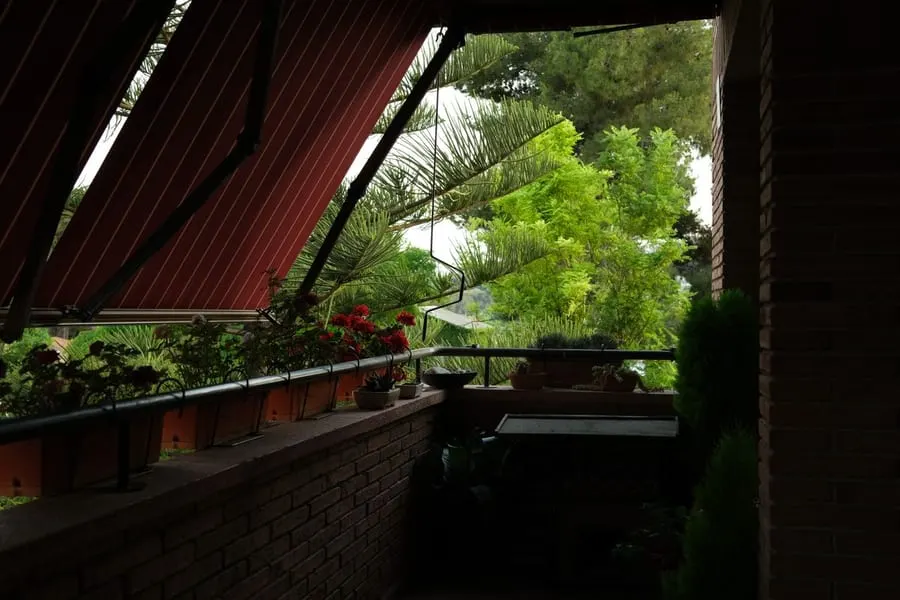
The majority of “what to grow” content assumes a sunny south-facing spot and either ignores shade entirely or tacks on a vague “some things tolerate shade” line at the end, which isn’t much use if a real UK balcony faces the wrong way. I’ve grown in shaded, low-light spots enough to give an honest answer rather than a vague one. A genuinely north-facing UK balcony often gets only 2–4 hours of direct or bright indirect light a day in summer, less in spring and autumn — that’s a real constraint worth planning around directly, not working around after the fact.
What “shade” actually means for growing
There’s a real difference between full shade (never direct sun, often quite dark) and partial/dappled shade (a few hours of direct sun, or bright indirect light most of the day) — a north-facing balcony is usually the second, which opens up more options than people assume. Reflected light off nearby buildings and pale walls can also meaningfully boost what a “shaded” spot receives, which is worth factoring in rather than writing the space off based on aspect alone.
What copes with low light
Leafy salad and herbs are the strongest option. Lettuce, rocket, spinach, and mint all tolerate partial shade well — in fact, lettuce and spinach can bolt (run to seed) faster in strong summer sun, so a shadier spot can actually suit them better than a scorching south-facing one.
Some brassicas do reasonably well — kale in particular tolerates lower light better than most fruiting crops, though growth will be slower than in full sun.
Chives and parsley hold up reasonably in partial shade, consistent with their general shade tolerance indoors too.
What genuinely struggles without real sun
Tomatoes, peppers, chillies, and courgettes all need strong, direct sun for a meaningful harvest — these are fruiting crops that convert direct light into fruit, and there’s no real workaround for a shaded spot. Attempting them in low light usually produces a leggy plant with little or no fruit, which is a common and avoidable source of “I can’t grow anything” discouragement.
Strawberries also want real sun to fruit well and are generally a poor fit for a shaded balcony.
What’s worth growing on a north-facing balcony
My realistic shortlist, from what’s actually cropped well for me in shaded spots: mixed salad leaves, spinach, rocket, kale, mint, chives, parsley. That’s a genuinely productive, varied list — not a consolation prize — provided the crop choice matches the light available instead of fighting it. For exactly how much a fruiting crop like tomatoes suffers by comparison, see full sun vs partial shade.
Just getting started? A straight, checked PDF guide for your space is coming — see what’s coming.
Related articles
Balcony Railing Planters: Are They Actually Safe?
Railing planters make good use of space a balcony floor doesn't have to spare, but hanging weight off a railing is a different question from standing it on the floor.
7 Jul 2026
Patio vs Balcony Growing: What Actually Changes
Same guide, same no-dig rules — but a ground-level patio and an elevated balcony fight you in genuinely different ways, and knowing which one you've got changes what's worth doing first.
20 May 2026