Balcony Railing Planters: Are They Actually Safe?
Why this deserves its own answer, not an assumption
Railing planters are one of the most-recommended ways to use balcony space that a floor-standing container can’t reach, and I’ve used them myself to make use of a rail rather than crowd the floor. Whether they’re actually safe is a genuinely different question from whether floor containers are safe — a railing is a different structural element to a floor, and worth treating as its own check.
What’s different about railing weight
A container standing on the balcony floor transfers its weight straight down into whatever’s supporting the floor itself — the same load path as a person standing there. A railing planter transfers weight sideways into the railing’s own fixings, which is a completely different structural path, and railings aren’t universally built to carry significant hanging load; some are decorative rather than load-bearing beyond their own weight.
The two real failure risks
The first is the fixing itself failing — a poorly attached bracket giving way under weight it wasn’t designed for, which is about the planter and bracket, not the balcony. The second, more serious risk is outward: unlike a floor container, which falls onto the balcony if something goes wrong, a railing planter that comes loose falls outward, off the balcony entirely. This is the specific reason railing planters get treated more cautiously than floor containers in most balcony guidance — the failure mode is worse, not just the likelihood.
What actually reduces the risk
Inward-hanging or straddle-style planters (the kind that hook over the top of the railing with most of the weight resting on the inside) are meaningfully safer than fully outward-hanging designs, because a fixing failure drops the planter inward onto the balcony rather than out over the edge. Checking a planter’s stated maximum load against its actual filled weight — using the same wet-compost weight figures as any container, and choosing smaller, lighter troughs for railing use specifically rather than the same containers used on the floor are the two most practical steps.
Where the real risk sits
Railing planters aren’t automatically unsafe, but they’re not automatically fine either, and they deserve more caution than a floor container of the same size — the direction something falls if a fixing fails is the whole reason. Straddle-style, well within the stated load limit, checked periodically for a loosening bracket, is the setup I actually use and the safer version of a genuinely useful idea.
Just getting started? A straight, checked PDF guide for your space is coming — see what’s coming.
Related articles
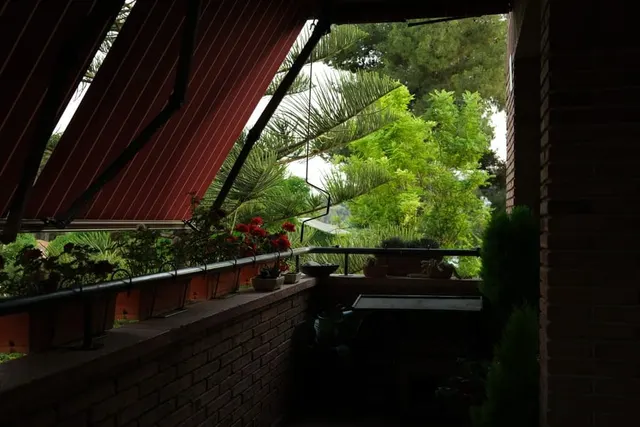
North-Facing Balcony? Here's What Will Actually Grow
Most grow-your-own advice quietly assumes full sun. A shaded balcony isn't a lost cause — it just needs a different, honest shortlist.
12 Apr 2026
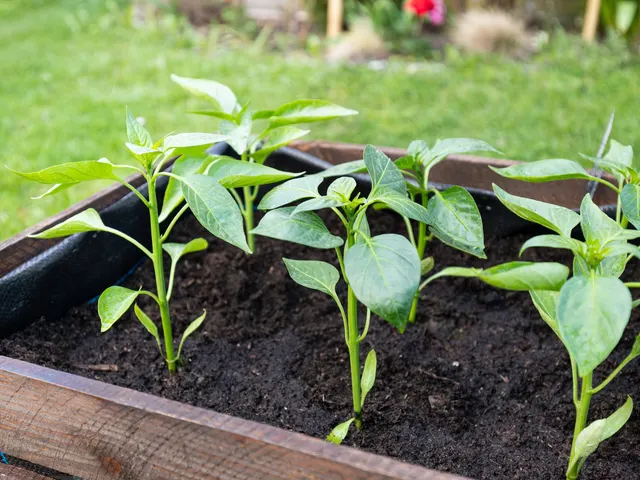
Patio vs Balcony Growing: What Actually Changes
Same guide, same no-dig rules — but a ground-level patio and an elevated balcony fight you in genuinely different ways, and knowing which one you've got changes what's worth doing first.
20 May 2026