Growing Herbs on a Windowsill: What Actually Survives Indoors
Who this is for
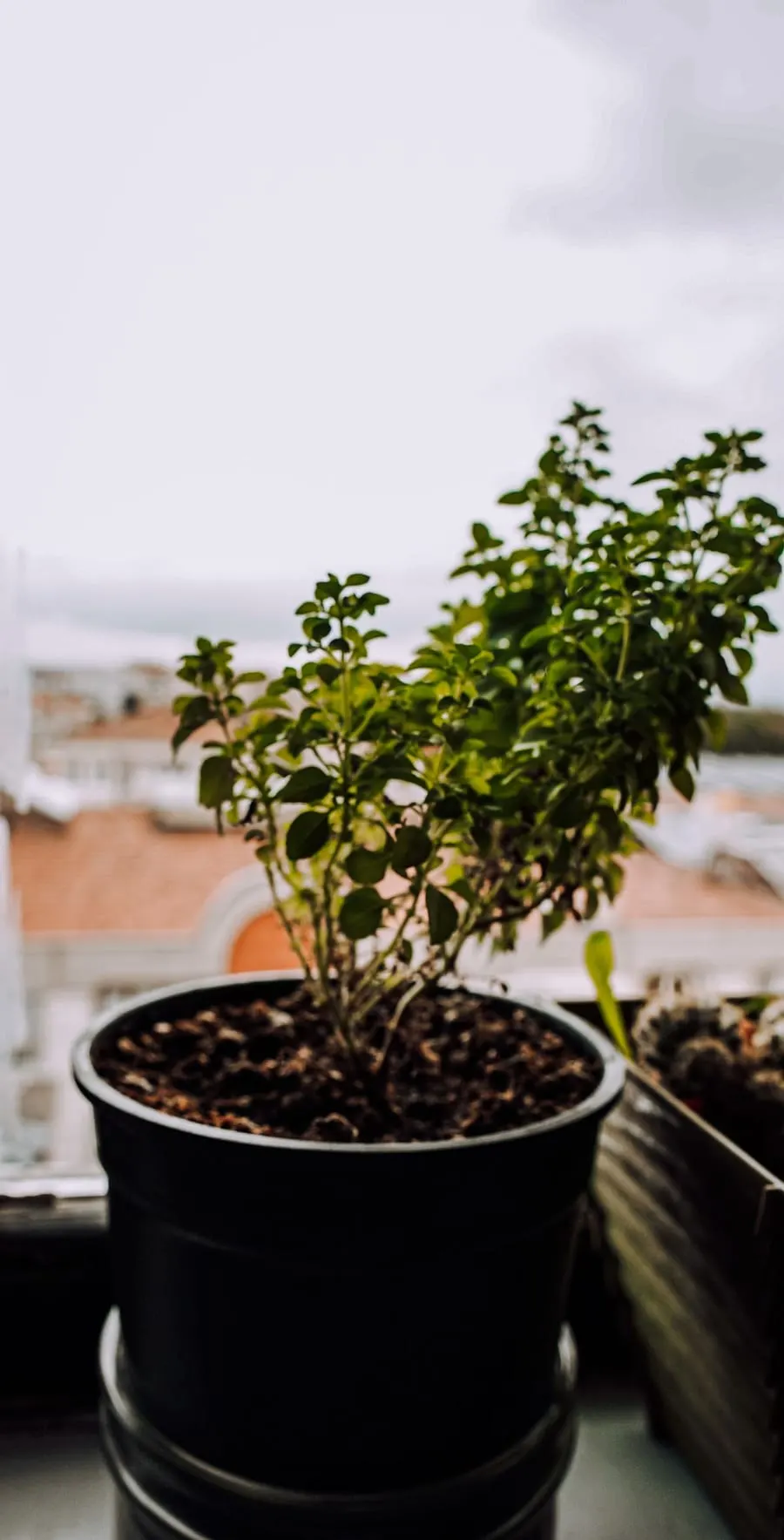
No balcony, no garden, just a windowsill, and most “grow your own herbs” content assumes you’ve got outdoor space, so the advice doesn’t quite fit. I’ve grown herbs on windowsills as well as outdoors for years, and here’s what actually holds up indoors, where light is weaker and more one-directional than anywhere outdoors, and central heating dries the air far more than most advice accounts for.
The core problem with indoor herb growing
A south-facing windowsill in the UK still gets meaningfully less light than an equivalent spot outdoors — glass filters some light, and there’s no light from above or the sides, only from one direction. Most culinary herbs are Mediterranean natives that evolved for strong, direct, all-day sun, which is genuinely hard to replicate on a windowsill even in a bright room.
What tends to survive indoors
Mint copes with indoor conditions better than most herbs, partly because it’s naturally more shade-tolerant than Mediterranean herbs, and partly because it’s hard to kill through neglect — the usual problem with mint indoors is it grows leggy and untidy, not that it dies.
Chives are forgiving indoors — tolerant of lower light than basil or rosemary, and they regrow reliably after cutting, which suits windowsill use well.
Parsley does reasonably well on a bright windowsill, though it’s slow from seed and often better started from a young plant.
What tends to struggle, despite being marketed as easy
Basil is the herb most commonly bought as an “easy windowsill herb” and is, in practice, one of the least forgiving indoors — I’ve killed more windowsill basil than any other herb, and it’s genuinely sensitive to cold draughts (including from an adjacent window in winter), inconsistent watering, and low light. Supermarket basil pots in particular are usually overcrowded and bred for a fast one-off harvest rather than longevity.
Rosemary and thyme are woody Mediterranean shrubs that generally do better outdoors or in a bright conservatory than on an average windowsill — indoors they tend to survive but grow weak and leggy rather than thriving, reaching for light that isn’t there.
What actually helps, regardless of herb
- Rotate the pot every few days — growth reaching consistently toward the glass is a sign of one-directional light, and rotating keeps growth even instead of lopsided.
- Keep pots away from direct radiator heat — the dry air near a radiator stresses herbs faster than most people expect, even if the plant looks fine for the first couple of weeks.
- Don’t overcrowd — a windowsill pot with several herb seedlings packed in (as most supermarket herb pots are sold) will struggle regardless of species, since they’re competing for the same limited light and root space.
Start with chives or mint
If I had to recommend starting with one thing, based on years of pointing beginners toward the right first herb: chives or mint are the more forgiving choices for a genuine beginner on a windowsill. Basil is worth trying, but go in expecting it to need more attention than the marketing suggests, not less. If salad rather than herbs is the goal, cut-and-come-again salad tends to be even more forgiving of indoor light than most herbs.
Just getting started? A straight, checked PDF guide for your space is coming — see what’s coming.
Related articles
Asparagus: Is a Three-Year Wait Actually Worth It?
No harvest at all for the first two years, a permanent bed for two decades after that — asparagus asks for more commitment upfront than almost anything else on this list.
28 Apr 2026
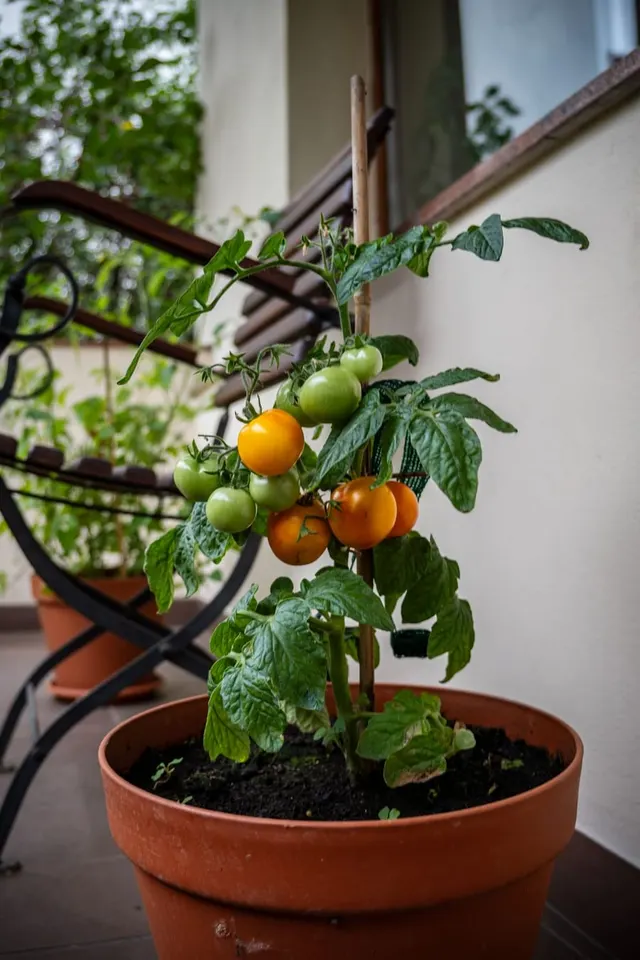
Best Containers for Growing Tomatoes on a UK Balcony
Bigger is better, but only up to a point — what actually matters is depth, drainage and how often you're willing to water.
1 Mar 2026
The Best Patio Containers for Root Vegetables
Root vegetables are the one category where container choice genuinely changes the crop, not just the convenience — and depth is doing more work than width.
7 Aug 2026