The Best Patio Containers for Root Vegetables
Why root vegetables are the exception
For most vegetables, a container that’s “roughly the right size” grows a perfectly good crop even if it’s not optimised. Root vegetables are the real exception, and it’s one I’ve learned the hard way with a batch of stubby, forked carrots more than once — the container’s actual depth directly shapes the root itself, not just how well the plant grows around it.
What each root crop actually needs
Carrots want the most depth of the common patio root crops — a container shallower than about 25–30cm produces short, stubby or forked roots as they hit the bottom and have nowhere to go, regardless of variety. Shorter, stump-rooted carrot varieties exist specifically for shallower containers and are the better choice under 25cm rather than fighting a long variety against limited depth. Potatoes are more forgiving on absolute depth but want volume — a container that lets you keep “earthing up” (adding more compost as the plant grows) produces meaningfully more potatoes than one filled once and left. Beetroot and radish are the most container-friendly root crops, doing well in 20–25cm and tolerating a wider range of container shapes than carrots will.
Width matters less than the advice suggests
A lot of container advice emphasises width for spacing multiple plants, which matters for yield per container but not for the shape of any individual root the way depth does. A narrow, deep container often outperforms a wide, shallow one of the same total volume for carrots specifically, even though the wide one looks like it offers more room.
The soil itself matters too
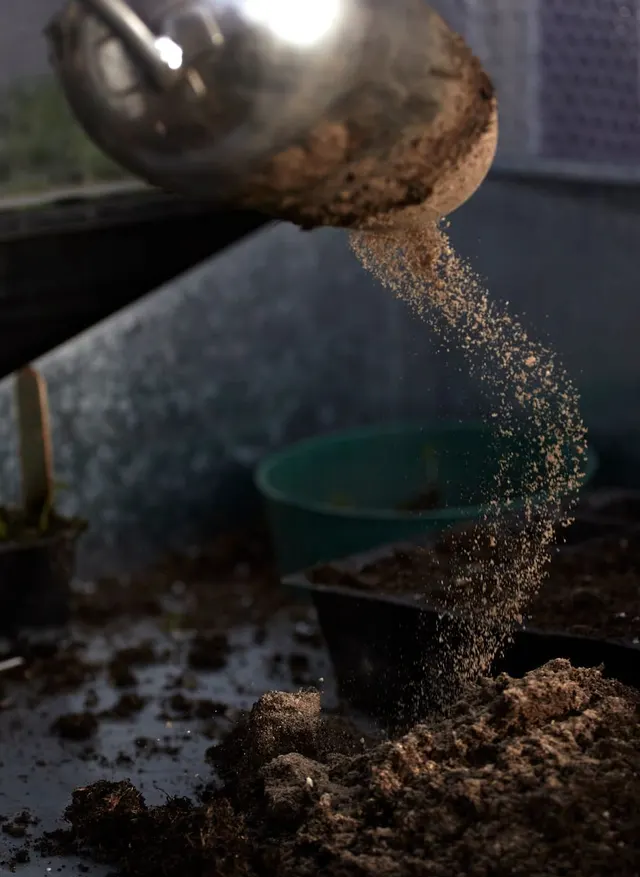
Stony or heavy, poorly broken-down compost causes forking and distortion in root crops even in a container with plenty of depth — this is worth knowing before blaming the container size for a genuinely soil-related problem. A fine, well-sieved compost, free of large lumps or stones, matters more for root crops than for almost anything else grown in a container.
Depth first, then texture
If a patio container harvest of carrots has come out short or forked, depth and soil texture are the two things worth checking before assuming the variety or the growing conditions were at fault — those were the two things that fixed it for me once I stopped blaming the variety.
Sources
Growing Carrots in Containers and Raised Beds — GardenFocused
Just getting started? A straight, checked PDF guide for your space is coming — see what’s coming.
Related articles
Asparagus: Is a Three-Year Wait Actually Worth It?
No harvest at all for the first two years, a permanent bed for two decades after that — asparagus asks for more commitment upfront than almost anything else on this list.
28 Apr 2026
Best Containers for Growing Tomatoes on a UK Balcony
Bigger is better, but only up to a point — what actually matters is depth, drainage and how often you're willing to water.
1 Mar 2026
Growing Blueberries in a Container: The Real Checklist
Ordinary multi-purpose compost won't grow a healthy blueberry, not just a slightly worse one — the acidity requirement is specific, not a nice-to-have.
4 Sept 2026