What's Actually in 'Multi-Purpose' Compost?
Why this is worth checking
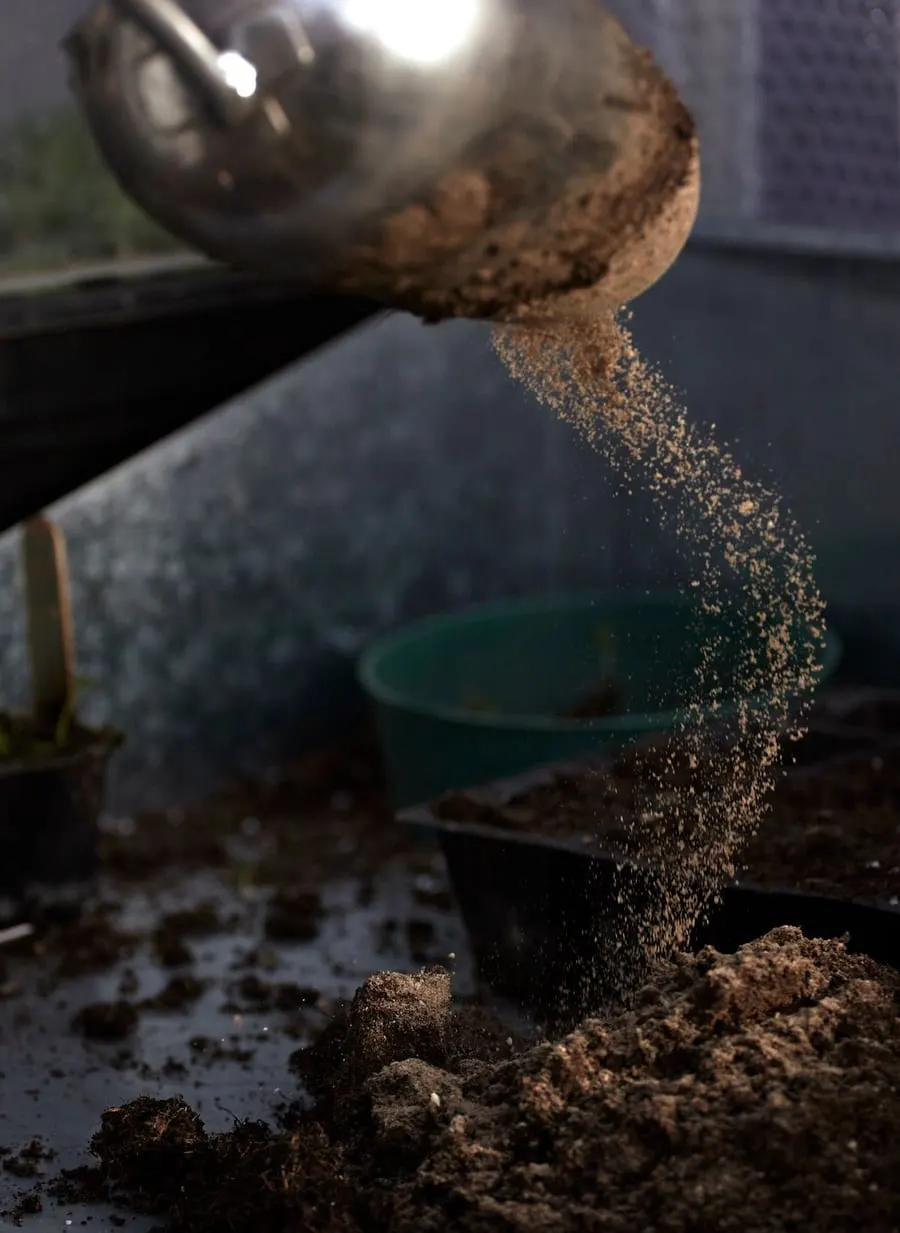
“Multi-purpose compost” isn’t a regulated term with a fixed recipe — it’s a label any manufacturer can apply, and I’ve bought enough different bags over the years to know that what’s actually inside varies more than the label suggests. Two bags side by side, both marked multi-purpose, can differ meaningfully in what they’re made from, how they drain, and how long any built-in feed lasts. That matters more for container growing than for the ground, because a container plant is entirely dependent on what’s in that one bag.
What varies between bags
The base material. UK compost is now overwhelmingly moving toward peat-free formulations (bark, coir, green compost, wood fibre, in varying blends), following the wider industry and retail shift away from peat. Peat-free mixes behave differently from old-style peat-based ones — see the peat-free comparison for the detail. But even between peat-free bags, the exact blend of bark/coir/green waste changes texture and drainage noticeably.
Particle size and texture. Some bags are fine and even; others contain visible chunks of unrotted bark or woody material. Finer texture generally suits seed sowing and small pots better; chunkier mixes drain faster and suit larger, more established plants.
Built-in feed. Most multi-purpose composts contain enough nutrients for roughly 4–6 weeks of growth before a plant needs supplementary feeding — but “roughly” is doing real work in that sentence, since it depends on the specific product and how hungry the crop is. This is why container vegetables that look fine for the first month can suddenly stall around week 5–6: not a mystery ailment, just the compost’s own feed running out on schedule.
Price isn’t a reliable signal. A more expensive bag isn’t automatically better-suited to containers — some budget multi-purpose composts perform perfectly well for vegetables, while some premium ones are optimised for ornamental bedding plants rather than hungry, thirsty edible crops.
What actually matters when choosing a bag for containers
- Look for “multi-purpose” or specifically “vegetable/container” labelling over generic “all-purpose” if available — container-specific mixes are more likely to be formulated for the heavier feeding and watering containers get.
- A finer, more even texture is generally easier to keep evenly moist in a small pot than a chunky one.
- Plan to start feeding around week 4–5 regardless of what the bag claims, since built-in feed duration is a rough average, not a guarantee.
There’s no single best bag
My conclusion: there’s no single “best” multi-purpose compost for every UK container grower — the right choice depends on what you’re growing and how attentive you are with feeding. What’s worth doing is reading the bag rather than assuming multi-purpose means interchangeable, and treating “lasts 6 weeks” as an estimate to plan around, not a fact to rely on — plan to start feeding once that built-in feed runs out, and think twice before assuming reusing last year’s compost is free of cost either way.
Just getting started? A straight, checked PDF guide for your space is coming — see what’s coming.
Related articles
Composting for Beginners: What Actually Works
Most beginner compost bins are accidentally "cold" composting, which is completely fine — you just need to know that's what's happening and why it's slow.
10 Sept 2026
How Much Water Do Container Vegetables Actually Need?
"Water daily in summer" is a rule of thumb, not a fact — what actually determines watering need is pot size, material, and weather, not the calendar.
8 Mar 2026
Self-Watering Containers: Do They Actually Work?
The mechanism is genuinely sound science, not a gimmick — but "self-watering" oversells what it actually does.
8 Apr 2026