Composting for Beginners: What Actually Works
The distinction nobody explains clearly
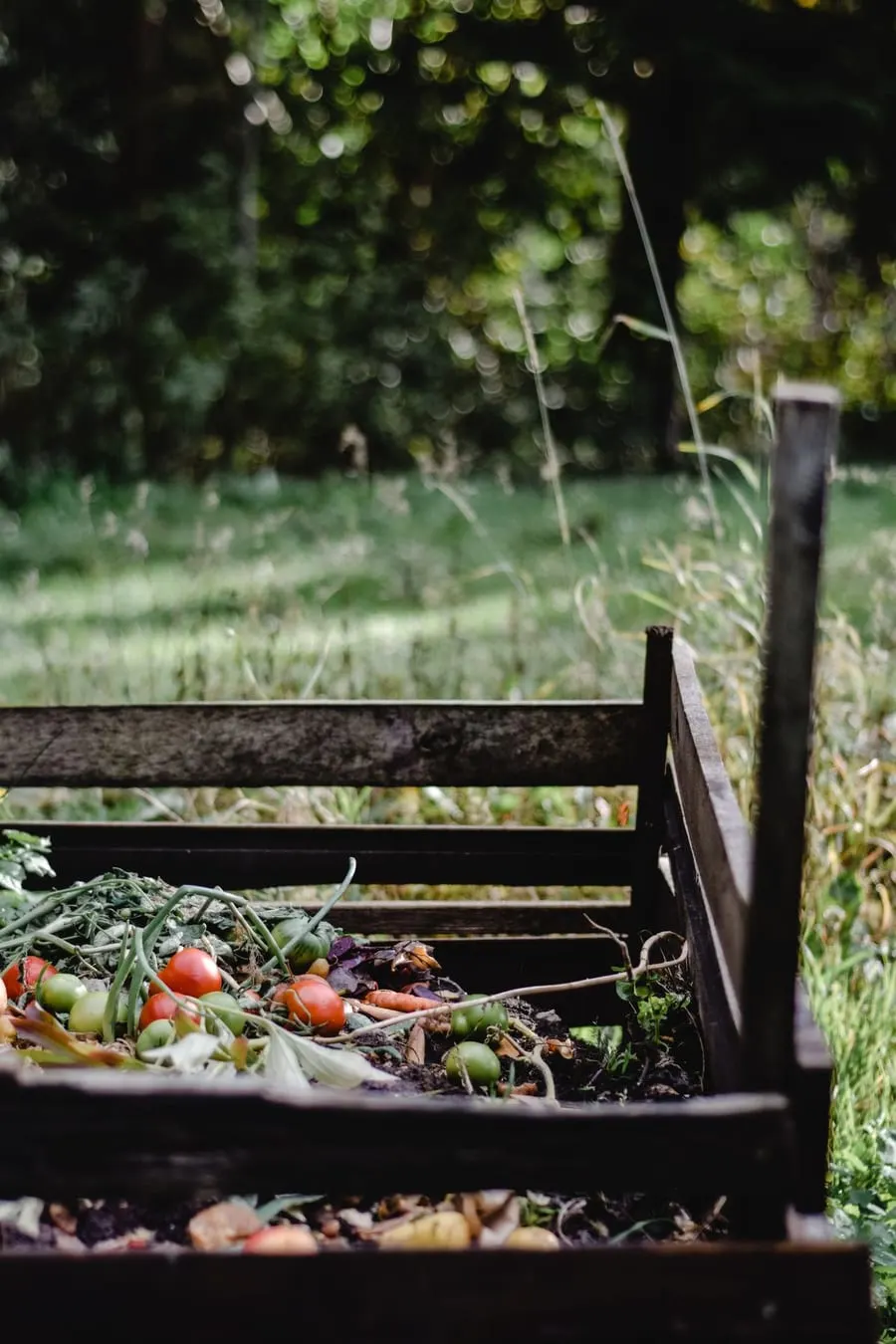
I’ve run both cold and hot compost heaps over the years, and I can see why so much beginner composting advice contradicts itself — one source says compost takes a year, another says eight weeks. The answer is that “composting” actually means two genuinely different processes, and almost nobody starting out realises which one they’re doing.
Hot composting is a single large batch, built all at once, that heats up to 55–65°C within about a week through rapid microbial activity. That heat is what kills weed seeds and most plant diseases, and it produces usable compost in roughly 8–12 weeks. Cold composting is the same biology running much slower — material added gradually over time, with no real heat build-up, and it takes 6–12 months, with weed seeds and some pathogens surviving the process.
Almost every beginner with a kitchen caddy and a garden bin is doing cold composting, by accident, because that’s what adding scraps a little at a time produces. That’s not a mistake — it’s just worth knowing, so “why is this taking forever” doesn’t feel like you’ve done something wrong.
Why hot composting is harder than it sounds
Hot composting needs a large volume — at least a cubic metre — added in one go, since a smaller pile simply can’t retain enough heat in UK conditions to reach the temperatures that matter. That’s a real practical barrier for most first-time composters, who don’t have a cubic metre of matched “green” and “brown” material sitting around on day one. If you’re starting from a kitchen caddy and whatever prunings you’ve got, cold composting isn’t a lesser option — it’s the realistic one.
The ratio that actually matters
Compost needs a working carbon-to-nitrogen ratio of roughly 25–30:1 to work well — in practice, that’s about 3–4 parts “brown” material (dry leaves, cardboard, woody prunings) to 1 part “green” material (kitchen scraps, grass clippings, fresh plant matter) by volume, not weight. Cold composting is more forgiving of getting this wrong — it’ll tolerate a wider range and just take longer — while hot composting needs the ratio closer to right to reach and hold its temperature.
What to put in: vegetable and fruit scraps, tea bags (check they’re not plastic-lined), cardboard and paper (torn up, not glossy), grass clippings, dead leaves, spent plants. What to leave out: meat, dairy, cooked food (attracts vermin), diseased plant material (a home pile, especially a cold one, rarely gets hot enough to kill plant pathogens — send that to council green waste collection instead), and perennial weed roots that can survive and resprout.
The honest timeline for a first-time cold pile
Expect nothing usable for the first several months, and a full 6–12 months before you’ve got compost worth using. That’s not a sign of doing it wrong — it’s genuinely how long slow decomposition takes without the heat that speeds hot composting up. Layering as you go (roughly alternating browns and greens rather than dumping all of one and then all of the other) and turning it occasionally to reintroduce air both help it along, but won’t turn a cold pile into a hot one.
Cold composting was never the failure mode
Start cold, on purpose, rather than feeling like you’ve failed to achieve “real” composting — my own bins ran cold for years before I ever had the volume for a hot pile, and it fed the garden just fine the whole time. It’s also the same compost you’d spread as a no-dig mulch layer once it’s ready, so the effort isn’t wasted while you wait. The only real downside — surviving weed seeds — is manageable if you’re mindful about not composting weeds that have already gone to seed. Once you’re producing more waste and have the space for a large batch, hot composting is worth the extra effort for the speed and the weed-seed kill; until then, a slow cold bin that you top up as you go is a completely legitimate way to feed a garden for free, whatever size that garden is.
Sources
Just getting started? A straight, checked PDF guide for your space is coming — see what’s coming.
Related articles
How Much Water Do Container Vegetables Actually Need?
"Water daily in summer" is a rule of thumb, not a fact — what actually determines watering need is pot size, material, and weather, not the calendar.
8 Mar 2026
Self-Watering Containers: Do They Actually Work?
The mechanism is genuinely sound science, not a gimmick — but "self-watering" oversells what it actually does.
8 Apr 2026
What's Actually in 'Multi-Purpose' Compost?
"Multi-purpose" is a marketing label, not a standard — the actual mix, texture and feed content varies a lot between bags, even at similar prices.
15 Mar 2026