
Growing Blueberries in a Container: The Real Checklist
Why blueberries get a checklist of their own
Most fruit on this site’s Grow Finder is fairly forgiving about compost — soil-based or peat-free multi-purpose, roughly, will do. Blueberries are the real exception, and I learned that the hard way with a bush that sat and sulked in ordinary compost before I understood why — it’s the one detail that actually determines whether a container plant thrives or quietly fails.
The compost requirement is specific, not general
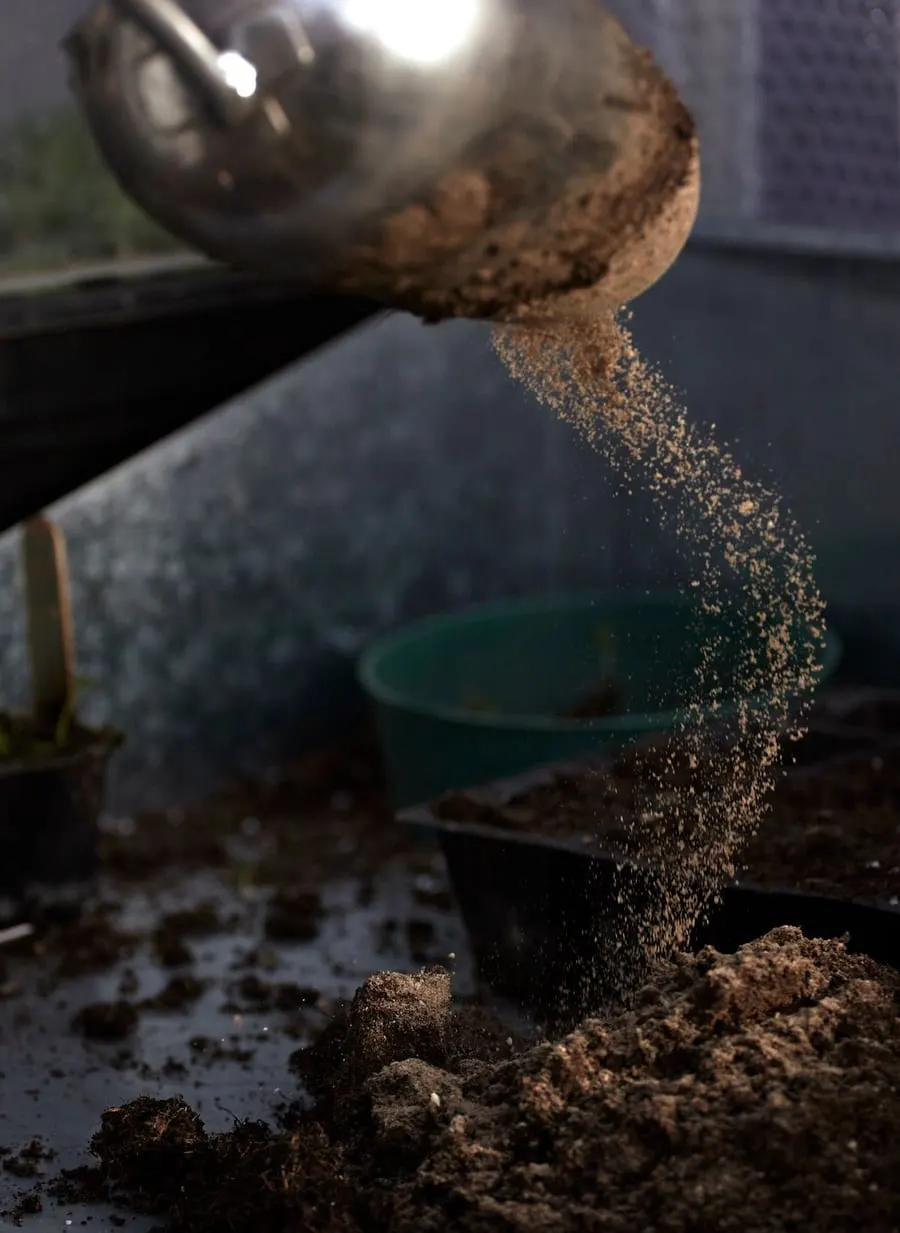
Blueberries need genuinely acidic soil: a pH of 4.0 to 5.5, well below the roughly-neutral range most vegetables and fruit tolerate. Ordinary multi-purpose compost won’t get there. It requires ericaceous compost specifically, the same kind sold for camellias and rhododendrons. Planting a blueberry in standard compost doesn’t just produce a weaker plant. It’s a common way for an otherwise healthy-looking bush to fail to fruit or decline over a season or two, with the actual cause — the wrong compost, not a pest or a watering mistake — easy to miss.
Self-fertile doesn’t mean “skip the second plant”
Many blueberry varieties are described as self-fertile, and that’s accurate — a single plant will produce fruit on its own. But even self-fertile varieties crop more heavily with a second, different variety nearby for cross-pollination, and some varieties (like ‘Brigitta’) specifically need a pollination partner to crop well at all rather than just benefiting from one. For a genuinely good yield rather than a token one, two different varieties is the better default, not an optional upgrade.
Ongoing care, briefly
Once planted, the compost needs to stay consistently moist (blueberries don’t tolerate drying out well) and fed monthly with an ericaceous liquid feed through the growing season — a standard balanced feed doesn’t maintain the acidity the plant needs.
Get the acidity right and the rest follows
The acidity requirement is the one detail that actually matters here — get that wrong and nothing else on this list saves the plant, get it right and, as I’ve found since fixing that mistake myself, blueberries are a manageable container fruit. If a container is going in specifically for blueberries, ericaceous compost from the start (not a top-up later) and, if there’s room, a second variety are the two decisions worth spending on.
Sources
Just getting started? A straight, checked PDF guide for your space is coming — see what’s coming.
Related articles
Asparagus: Is a Three-Year Wait Actually Worth It?
No harvest at all for the first two years, a permanent bed for two decades after that — asparagus asks for more commitment upfront than almost anything else on this list.
28 Apr 2026
Best Containers for Growing Tomatoes on a UK Balcony
Bigger is better, but only up to a point — what actually matters is depth, drainage and how often you're willing to water.
1 Mar 2026
The Best Patio Containers for Root Vegetables
Root vegetables are the one category where container choice genuinely changes the crop, not just the convenience — and depth is doing more work than width.
7 Aug 2026